
Science and Energy
Fission vs Fusion: How They Work and the Fuels They Use
Compare nuclear fission and fusion, uranium and thorium fuel cycles, deuterium–tritium and hydrogen–boron, plus what Australia’s HB11 research has demonstrated.
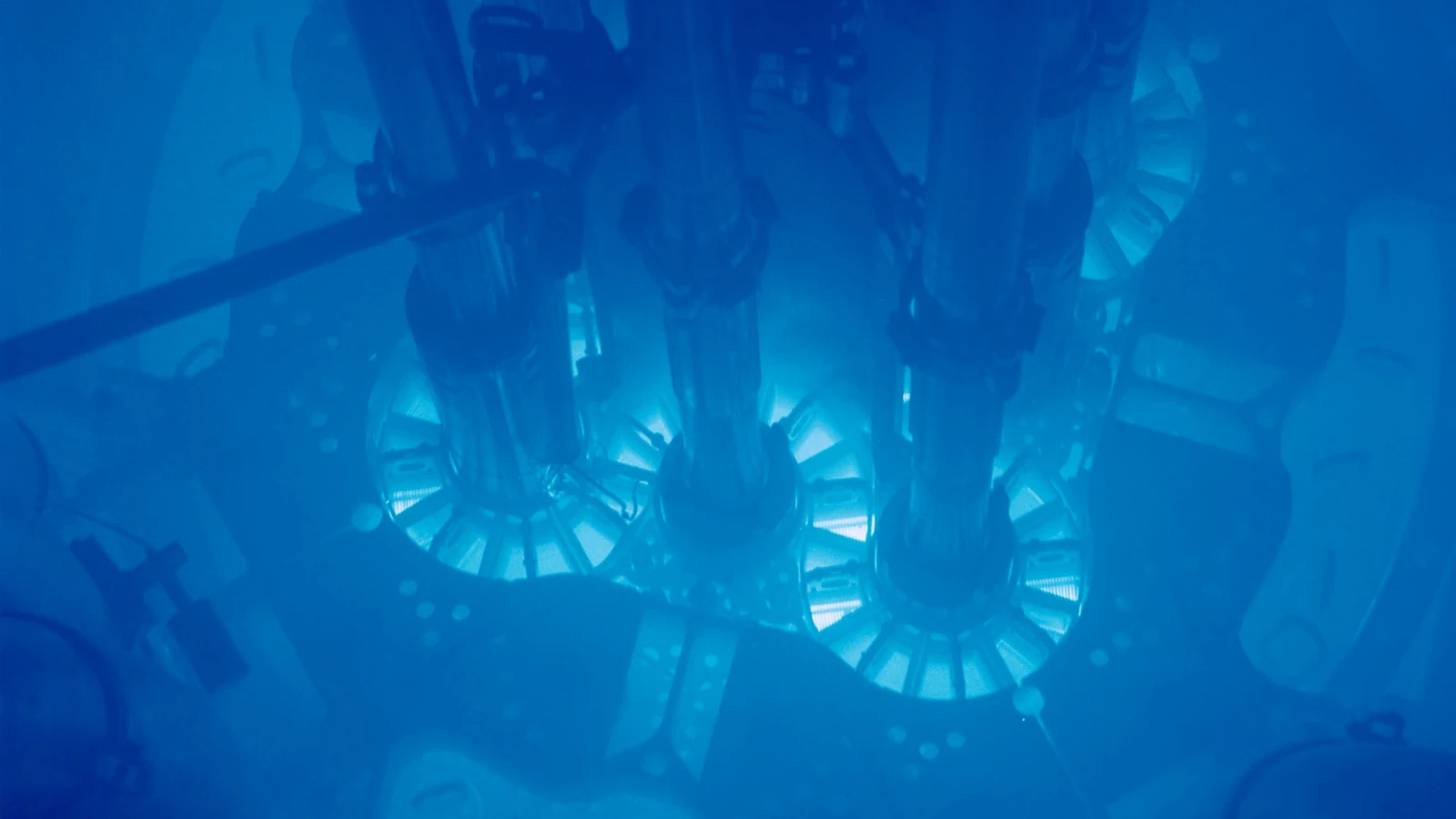
One process splits heavy atomic nuclei. The other brings light nuclei together. Both can release nuclear energy, but fission and fusion require different fuels, equipment and engineering solutions. Understanding that distinction makes it easier to judge everything from an operating research reactor to a headline promising the next fusion breakthrough.
At a Glance
- Fission: splitting heavy nuclei, as in today’s nuclear power reactors.
- Fusion: reactions between light nuclei, including deuterium–tritium and hydrogen–boron-11.
- Uranium, plutonium and thorium-based fuel cycles belong in the fission comparison.
- Producing fusion reactions, achieving target energy gain and supplying net electricity are different milestones.
Fission: Releasing Energy by Splitting Nuclei
In a reactor, a neutron can trigger a heavy nucleus to split into smaller nuclei. Energy and additional neutrons are released. Some of those neutrons can cause further fissions, sustaining a controlled chain reaction. The US Department of Energy explains this in its fission and fusion overview.
In a typical power plant, the resulting heat is used to produce steam and drive a turbine-generator. The nuclear reaction produces heat; the power station also needs cooling, control, fuel-handling and waste-management systems.
Comparing Fission Fuels
| Fuel Route | What Matters |
|---|---|
| Uranium | Uranium-235 readily undergoes fission with slow neutrons. Many reactor fuels are enriched to increase its proportion; fuel requirements depend on reactor design. |
| Plutonium | Fissile plutonium, particularly plutonium-239, can contribute to reactor power. Mixed-oxide, or MOX, fuel combines uranium and plutonium oxides. |
| Thorium-based cycles | Thorium-232 is fertile: it can be converted into fissile uranium-233. It therefore needs a suitable fuel cycle and a source of fissile material; “thorium fuel” does not mean simply replacing uranium with untreated thorium. |
The US Energy Information Administration describes uranium fuel preparation and spent-fuel management. The Nuclear Regulatory Commission explains MOX fuel fabrication, while the IAEA’s thorium assessment covers the conversion to uranium-233. These are different routes within fission technology.
Fusion: Bringing Light Nuclei Together
Positively charged nuclei repel one another. To make useful fusion happen on Earth, researchers need conditions in which enough nuclei can approach closely enough to react. In thermal fusion, temperature, particle density and confinement time work together. Magnetic-confinement machines hold a hot plasma, while laser-driven experiments rapidly compress and heat small targets.
ITER identifies deuterium–tritium as the most achievable fusion reaction at comparatively low temperatures. “Low” is relative to other fusion reactions: the required conditions are still extreme.
Deuterium–Tritium vs Hydrogen–Boron
Deuterium and tritium are isotopes of hydrogen: their nuclei contain different numbers of neutrons. Hydrogen–boron fusion usually means a proton, the nucleus of ordinary hydrogen, reacting with boron-11. They are two fusion fuel choices, separate from the fission fuels above.
| Feature | Deuterium–Tritium | Hydrogen–Boron-11 |
|---|---|---|
| Primary reaction | Deuterium + tritium → helium-4 + neutron + energy | Proton + boron-11 → three helium-4 nuclei + energy |
| Fuel attraction | The comparatively favourable reaction conditions make it a leading research route. | The starting fuels are stable isotopes; the primary reaction has no neutron among its products. |
| Fuel challenge | Tritium is radioactive and scarce. Future plants must address supply, often through proposed lithium breeding systems. | Obtaining useful net energy gain is much more demanding. Producing detectable reactions is only an early step. |
| Radiation and materials | Energetic neutrons can damage and activate reactor materials. | Often called aneutronic, but secondary reactions and radiation still matter. The whole installation requires a safety assessment. |
The NRC’s fusion FAQ discusses tritium supply, breeding and activated materials. The hydrogen–boron reaction and its experimental challenges are described in published laser-fusion research. A promising fuel does not remove the need to solve the reactor’s energy balance.
Australia’s OPAL Reactor and the HB11 Research
At Lucas Heights, ANSTO’s OPAL is a 20-megawatt thermal research reactor using low-enriched uranium fuel. It operates through fission and supplies neutrons for research, isotope production and industrial applications. Its thermal rating is not an electricity output.
Australian company HB11 Energy is pursuing hydrogen–boron fusion. Its 29 March 2022 announcement described laser-driven experiments conducted at Osaka University in Japan. The team demonstrated reactions, but the announcement also stated that net energy gain had not been reached. It was an experimental result, rather than an Australian power reactor starting operation.
On 3 April 2025, HB11 announced an $8.2 million laser-development agreement with the University of Adelaide and Defence Trailblazer. That announcement concerned a demonstrator and laser capability for future applications. It did not announce electricity production from a hydrogen–boron reactor.
There are also difficult findings to account for. An April 2026 simulation study, listed by Macquarie University, found insufficient gain for a power plant in the pure proton–boron inertial-fusion cases it modelled. That is a result about those modelled conditions, not proof that every possible approach is impossible.
What a Fusion Breakthrough Actually Demonstrates
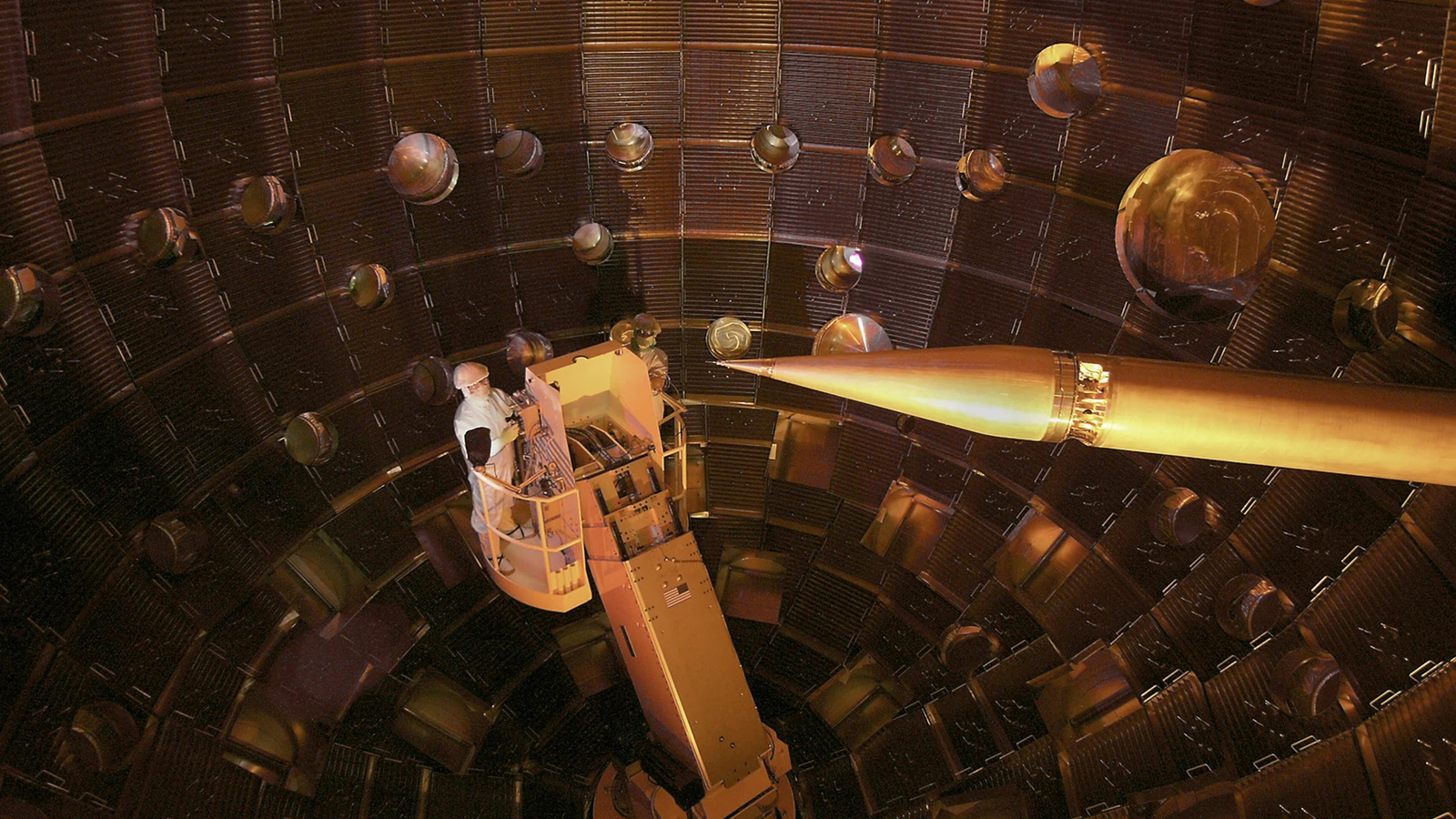
The National Ignition Facility provides a real example of scientific progress. Its 5 December 2022 experiment produced 3.15 megajoules of fusion energy from 2.05 megajoules of laser energy delivered to the target. LLNL reports subsequent ignition experiments, including another in June 2026.
That comparison has a defined boundary: energy at the target. A power station must also account for the electricity used by the laser or plasma-heating system, auxiliaries, conversion losses and repeated operation. The US Department of Energy’s 2026 fusion roadmap discusses the additional plant requirements. A gain figure needs its input and output definitions before it can tell us what has been achieved.
Fission already supplies practical nuclear heat and electricity. Fusion research is pursuing another way to release nuclear energy, with several fuels and confinement approaches. The interesting question for each announcement is which obstacle it has overcome—and which engineering milestones still remain.
Sources and Further Reading
- US Department of Energy — Fission and Fusion
- US EIA — Nuclear Fuel Cycle
- US NRC — Fuel Fabrication
- IAEA — Thorium-Based Nuclear Energy (2022)
- ITER — What Is Fusion?
- US NRC — Fusion FAQ
- ANSTO — OPAL Research Reactor
- Margarone and colleagues — In-Target Proton–Boron Nuclear Fusion (2022)
- HB11 — Laser Experiment Announcement (29 March 2022)
- HB11 — Adelaide Laser Agreement (3 April 2025)
- Morozov and colleagues — Proton–Boron Fuel-Gain Simulations (April 2026)
- LLNL — Achieving Fusion Ignition
- US Department of Energy — Fusion Roadmap (June 2026)
References checked 13 November 2026. Original article by Verified Insights / Strike Labs. Company announcements are identified separately from published research; historical examples and photographs are dated.